Week 14: All about The west Indies
SUSTAINABILITY: Nutrition
RESEARCH:
Introduction:
- Method Of Cooking: Mixed ethnicities.. mixed cuisines, a beautiful melting pot. African, Spanish, French, British & Dutch colonization has affected the food greatly.
- Learning Objectives:
1. Introduce the changing, turbulent histories of the Caribbean island countries, their geographies, cultural influences, and climate.
2. Discuss the importance of Africa and Spain to the cooking of the Caribbean.
3. Introduce Caribbean culinary culture, its diverse regional variations, and dining etiquette.
4. Identify foods, dishes, and techniques that cross between countries.
5. Identify the foods, flavor foundations, seasoning devices, and favored cooking techniques of the Caribbean.
6. Teach favorite classic dishes of many of the Caribbean islands.
- Prior Knowledge: My prior knowledge extends to the previous sentence of reading from the chapter... I know that Caribbean style cooking is home-styled, and the point is to not be fancy, but get full and happy.
Background Info:
Research:
- Due to the fact that my final project will be focusing on West Africa, specifically Nigeria, this is what most of my research consisted of.
Most of the population is descended from enslaved Africans or from Spanish, French, British, or Dutch colonists or is of mixed ethnicity. The West Indies’ creole languages, evolved from pidgin variants of European languages, have become the common languages of many of the people. The French and English creoles are a blend of these languages with African and West Indian languages. By contrast, the major Spanish-language communities—Cuba, Puerto Rico, and the Dominican Republic—speak pure Spanish. Papiamentu, a Spanish-Dutch (Netherlandic)-Portuguese-English creole, is widely spoken on Aruba, Curaçao, and Bonaire. South Asians constitute a substantial minority in the region, especially in Trinidad and Tobago (Britannica)
Method Of Cooking:
- Jamaica: Red meat not frequently used, if so mostly curried goat, and lots of fish. Methods like boiling, roasting, drying, baking and frying are used the most (Recipes Wiki).
- Barbados: fried and grilled fish! Strong British influence, so dishes like fried fish cakes, puddings, and macaroni pie.. (Tropical Sky).
- Trinidad & Tobago: of course lots of seafood! Specifically curried seafood. Also important, dasheen (taro root), sweet potatoes, cassava, yams, and a variety of hearty stews. Lots of African influence seen here.
Recipes:
Plan Of Works:
Reflection:
Results/Lab Outcomes:
This week was very successful!
- Success Of Cooking Method: The cooking methods included baking, deep frying, etc.
- Sensory Results:
- Taste: warm, comforting, moderate spice!
- Flavor: variety; all dishes had deep flavor- fresh based, hearty
- Texture: soft fish, bright/well cooked veggies
- Appearance: bright colors!
Evaluation Of Results:
What worked well?
The green bananas were my favorite- very similar to how plantains are served in Western African countries.
What did not work well?
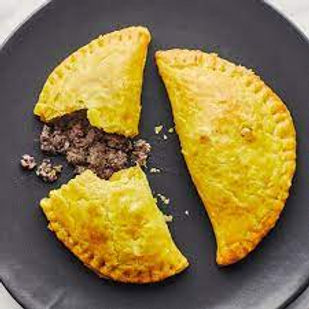
The patty dough did not want to stay together, but and we had to work the dough almost a bit too much in order to cook the patties. therefore, the dough was a bit thicker than we wanted, but the filling was so good!
Improvements to be made:
Be patient with items that are marinating, let them be!
Inspiration Photos: