
WEEK 2: A yeast dough blog part 1
INTRODUCTION:
COOKERY TOPIC: Part 1 of yeast doughs
THE MENU:
-
Soft Rolls
-
Pain Au Lait
-
French Bread Loafs
MY PRIOR KNOWLEDGE:
My prior knowledge of making my own baked breads is quite limited. I bake banana bread every once in a while when I have spoiling fruit, but that is the extent. I am very excited to have this new skill of making fresh bread under my belt.
LEARNING OBJECTIVES:
-
Describe the principal types of yeast-related products
-
Describe the 12 basic steps in the production of yeast goods
-
Explain how to judge the quality of yeast goods and correct defects in them
-
Explain the mixing methods for straight doughs, and prepare straight doughs
-
Mix doughs using appropriate mixing times and speeds, based on three basic techniques for developing yeast doughs
-
Describe the factors affecting dough fermentation and how to control them
-
Make up and bake a variety of yeast dough products
BACKGROUND:
There are two basic types of yeast doughs: batter and kneaded. Batter breads are made by beating flour into the dough with an electric mixer and not hand kneading. Batter dough uses less flour, so can come out sticky. Because of this, the dough is typically spread into a pan not shaped into loaves (Purdue Fantastic Foods). Batter dough comes out with a more coarse texture versus kneaded dough. Kneaded dough is symmetrical, and has a golden color on top, darker on top than sides and bottom. The texture is the opposite from batter dough- soft & fluffy on the inside, and smooth top.
University, P. (n.d.). Yeast Dough. Yeast dough. Retrieved January 18, 2022, from http://www.four-h.purdue.edu/foods/yeast%20dough.htm#:~:text=There%20are%20two%20basic%20yeast,allows%20the%20yeast%20to%20activate.
RECIPES:
My Inspiration:

SOFT ROLLS!
Laura, Diane, E., Marley, Emily, Sandra, & Suneet. (2021, September 25). Best dinner rolls recipe (soft & fluffy homemade rolls)! JoyFoodSunshine. Retrieved January 19, 2022, from https://joyfoodsunshine.com/homemade-dinner-rolls/

PAIN AU LAIT!
Frances, M., Riffs, J. K., @myhealthyeatinghabitse, M., Holly, Cook, A. T. is H. I., & Minnie@thelady8home. (2019, February 28). Petit Pain Au Lait. SpiceRoots. Retrieved January 19, 2022, from https://www.spiceroots.com/petit-pain-au-lait/
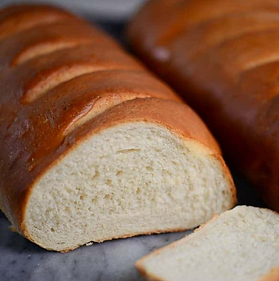
FRENCH BREAD LOAF!
Reigel, L. (2021, May 29). Soft bakery style French bread. Foodology Geek. Retrieved January 19, 2022, from https://www.foodologygeek.com/french-bread-recipe/


Week 2: Reflection
Lab Outcomes: For our first week of Patisserie and Confectionary lab, we started working on our bread skills, working with dough and reminding ourselves to be patient while the dough takes 1:30-2 hours to ferment.
Dish Results:
Soft Rolls: our soft rolls turned out like CopyCat Texas Roadhouse rolls! They were absolutely perfect. The air CO2 bubbles on the inside were small & evenly distributed. I also appreciated that this recipe only had a 20-30 minute fermentation time- it's interesting how all breads can be faster or shorter. My group decided to water-wash our rolls instead of egg-wash them, and the color on the top was not as dark- but the flavor was just as good. The rolls came out fluffy. My group used instant yeast, which was a simple process since no proofing was necessary. The other groups who used fresh and active yeast experienced a faster baking time.
French Bread: I was very excited to make french bread, since baguettes are one of my favorite types of bread. We differentiated from the recipe a little bit and used butter instead of shortening. The dough came out really wet after both mixes, so we added about 1/3 more flour. The butter added about 20% more hydration to the dough- so next time we either account for this and add 20% more flour or 20% less water (the plain water ingredient). Our french bread turned out a lighter color than everyone else's, and this is maybe because of the extra hydration- but the taste was still good.
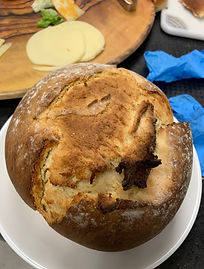
Milk Bread: I worked with this recipe the most. When I scalded the milk, the recipe called for 250g to be heated, but I added 50 extra grams of milk to account for some of the milk evaporating away. The soft rolls and the milk bread both use the intensive mixing method.
Results evaluation:
Overall, this lab was a lot of fun & a great start to the semester! Some notes that were made to potentially improve our outcomes were that we needed to be careful not to overwork the dough, or let it get too warm.
Conclusion:
Of the objectives listed for this chapter, I believe I best understood the method of preparing straight doughs. I still have a lot to work on, but I would like to next have a better understanding for the 12 basic steps in the production of yeast products. Also, our class seems to work well together, but throughout the semester we will have to continue learning how to work with new people, as well as developing better communication skills with our team members.
IMAGES:
COST OF RECIPES:


SOFT ROLLS
MILK BREAD

FRENCH BREAD
